
Landing Pages vs. Service Pages: Which Converts Better?
Getting traffic is only half the battle. The bigger question is what happens after someone clicks, and whether the page they land on gives them a strong enough reason to contact you, book a call, or request a quote.
Both landing pages and service pages can generate leads, but they serve different purposes. For businesses investing in Gilbert search engine optimization, knowing when to use each type of page can mean the difference between attracting casual visitors and turning qualified prospects into paying customers.
In this guide, you’ll learn how landing pages and service pages differ, which one tends to convert better, and how to use both strategically instead of forcing one page type to do everything.
Landing Pages and Service Pages Have Different Jobs
At first glance, landing pages and service pages can look very similar. Both may describe an offer, explain benefits, include testimonials, and feature a contact form.
The difference is intent.
A service page is usually part of your main website. It explains a specific service in detail and helps visitors understand whether your company can solve their problem. These pages are often built to rank organically in search engines and support the overall structure of your website.
A landing page is more focused. It is usually created around one campaign, audience, offer, or conversion goal.
For example, a landing page might promote:
A free consultation
A limited-time promotion
A downloadable guide
A Google Ads campaign
A specific service for one customer segment
A special offer targeting a particular location
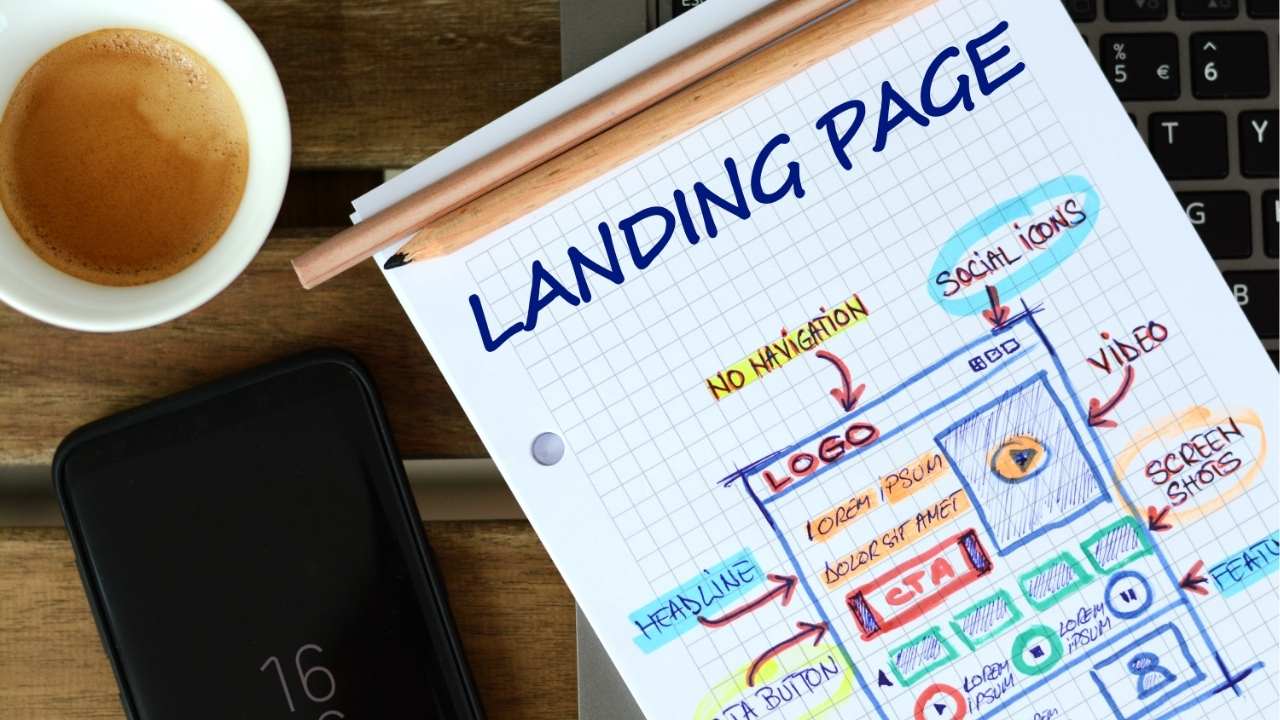
Landing pages typically remove distractions. Navigation may be limited, secondary links are reduced, and nearly every section pushes visitors toward the same call-to-action.
Service pages have a broader responsibility. They educate, build authority, support SEO, and give prospects multiple ways to continue exploring your business.
That difference explains why comparing conversion rates alone does not tell the full story.
Which Page Usually Converts Better?
When traffic comes from a tightly targeted advertising campaign, landing pages often have the advantage.
Why?
Because the message can match the visitor’s exact reason for clicking.
Imagine someone searches for emergency marketing help, clicks an ad about getting more qualified leads, and arrives on a page specifically focused on that problem. The headline, supporting copy, proof, and call-to-action can all reinforce the same message.
There are fewer opportunities for the visitor to wander away.
A high-converting landing page generally includes:
A clear headline tied to visitor intent
A strong value proposition
Specific benefits rather than vague claims
Social proof or testimonials
A simple form
A visible call-to-action
Minimal unnecessary navigation
Answers to common objections
However, higher conversion rates do not automatically make landing pages superior.
Service pages often attract visitors earlier in the buying journey. Someone researching a company may want to compare options, learn about different solutions, check credentials, read related content, and understand pricing or processes before reaching out.
Those visitors may not convert immediately, but the service page can still play a major role in earning the eventual lead.
For companies offering multiple digital marketing services, service pages also help establish topical relevance and give search engines a clearer understanding of what the business offers.
Service Pages Are Often Stronger for Organic Search
Landing pages are usually built for conversion first. Service pages are commonly built for both visibility and conversion.
A well-developed service page can target valuable search terms while answering the questions prospective customers naturally ask.
That makes service pages especially important for long-term organic lead generation.
A strong service page might explain:
What the service includes
Who the service is designed for
Common problems it solves
How the process works
Expected outcomes
Frequently asked questions
Why customers should choose the company
What to do next
This depth gives search engines more context while helping potential customers make informed decisions.
Service pages can also support internal linking. Blog posts can point toward relevant services, related services can link to one another, and location pages can reinforce geographic relevance.
More importantly, service pages often continue generating traffic long after they are published.
A paid landing page may stop receiving visitors the moment an advertising campaign ends. A well-ranked service page can continue bringing in prospects month after month.
That makes service pages valuable assets rather than temporary campaign destinations.
The Best Strategy Uses Both
The strongest marketing strategy rarely comes down to choosing landing pages or service pages.
It uses each one where it performs best.
Your service pages can act as the permanent foundation of your website. They build organic visibility, explain your expertise, answer customer questions, and help prospects evaluate your business.
Landing pages can then support specific campaigns.
For example, imagine your core website contains a comprehensive SEO service page. You could create separate landing pages for:
Local SEO consultations
E-commerce SEO campaigns
SEO audits
Lead-generation campaigns
Google Ads traffic
Industry-specific promotions
Instead of sending every visitor to the same general page, you create a closer match between traffic source and destination.
This also makes testing easier.
You can experiment with different headlines, calls-to-action, offers, form lengths, testimonials, and layouts without constantly changing the primary service page.
The key is avoiding unnecessary duplication. If dozens of nearly identical landing pages are created without meaningful differences, they can become difficult to manage and may provide little additional value.
Every page should have a clear purpose.
Short Case Study: One Offer, Two Different Pages
A local service business was driving paid traffic directly to a broad service page. The page explained the company well, but visitors could click into several other sections of the website before completing the contact form. The business created a dedicated campaign landing page using the same core offer, added a more specific headline, shortened the form, highlighted three customer benefits, and repeated the consultation call-to-action throughout the page. The original service page remained unchanged for organic search traffic. Over the following campaign period, the dedicated page produced noticeably more inquiries from paid visitors while the service page continued attracting prospects through search. The improvement came from matching each page to its traffic source.
How to Decide Which Page You Need
Start with the source and intent of the visitor.
If you are running a focused advertising campaign with one specific offer, a landing page will usually give you more control over the conversion path.
If you want a page that can rank organically, educate prospects, and remain part of your website for years, build a strong service page.
Before creating either page, ask:
Where will visitors come from?
What problem are they trying to solve?
How much information do they need before contacting you?
What is the single most important action you want them to take?
Is the page intended primarily for paid traffic, organic traffic, or both?
What proof will help visitors trust the offer?
Your answers should shape the page.
Avoid creating a landing page simply because someone says landing pages convert better. Likewise, do not send every advertising campaign to a generic service page because it already exists.
Conversion happens when the message, audience, intent, and offer line up.
Build Pages Around the Customer Journey
Landing pages may win when the goal is generating immediate action from highly targeted traffic. Service pages often win when the goal is attracting organic visitors, building trust, and supporting longer buying journeys.
Most businesses need both.
Your service pages should form the foundation of your search presence. Your landing pages should support campaigns where a tighter message and more controlled experience can improve response rates.
If your website is receiving traffic but not producing enough qualified inquiries, Leads by Vinny can help identify where visitors are dropping off and build a clearer path from search to conversion.
Contact us today to turn more of your website traffic into qualified leads.
