
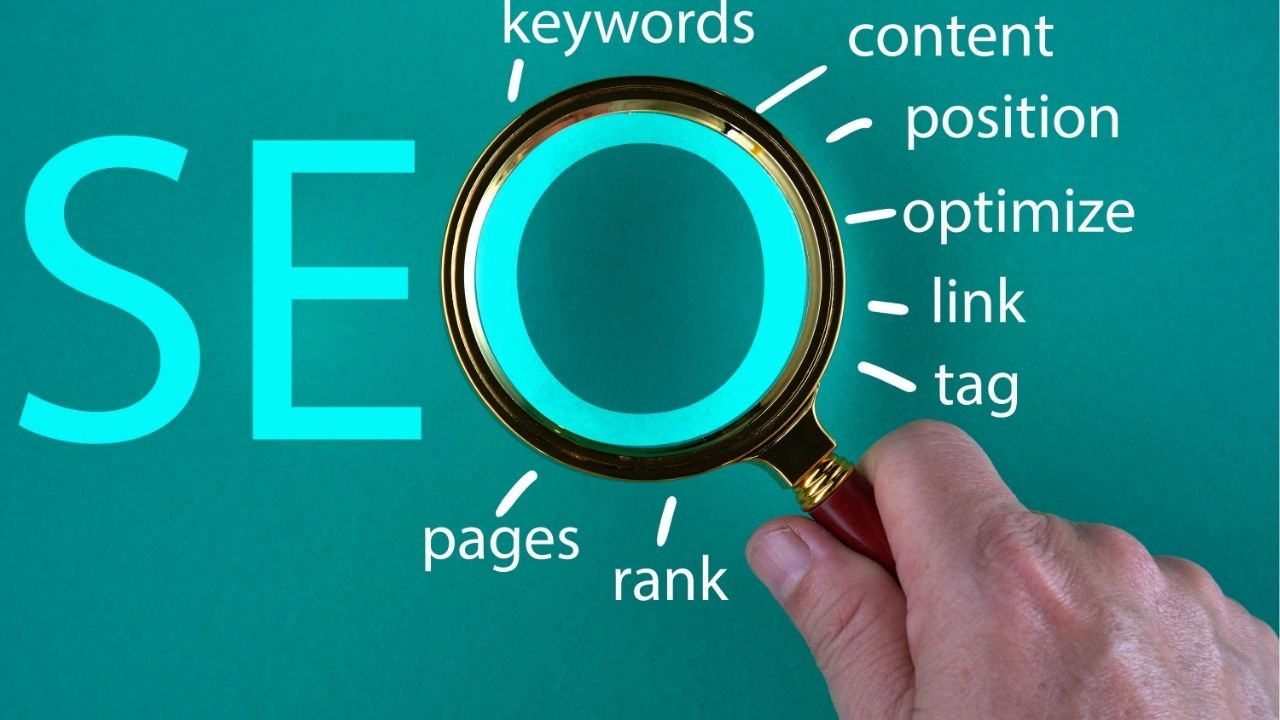
Semantic SEO: Why Google Cares About Topics, Not Just Keywords
Today, search engines prioritize meaning over repetition. If you’re exploring affordable search engine optimization services offered by Leads by Vinny, you’re already stepping into a more modern approach; one focused on strategy, authority, and long-term growth instead of outdated keyword tricks.
Semantic SEO is the reason behind that shift. It’s also what separates a basic SEO portfolio from one that demonstrates real expertise and results.
In this article, you’ll learn what semantic SEO really means, why Google now evaluates topics instead of isolated phrases, and how to structure your content so it builds authority instead of just chasing rankings.
Google Doesn't Rank Words, It Ranks Meaning
Search engines have evolved. With updates like Hummingbird, RankBrain, and BERT, Google now understands context, relationships, and intent. It connects ideas instead of just matching strings of text.
If someone searches for “how to improve website visibility,” Google knows that:
They might also mean SEO strategy
They could be looking for content marketing advice
They may want technical optimization tips
That’s semantic search in action.
Instead of focusing on one keyword per page, Google evaluates:
Topic depth
Content structure
Related subtopics
Search intent satisfaction
If your content fully answers the broader question, you win. If it just repeats one phrase, you lose.
This shift forces businesses to think bigger. You’re no longer writing for an algorithm. You’re writing to demonstrate expertise.
From Keyword Stuffing to Topic Authority
Old-school SEO was simple: pick a keyword and optimize aggressively. Titles, headers, meta descriptions, body text—repeat, repeat, repeat.
Semantic SEO flips that model.
Now, Google looks for topical authority. That means:
Covering related concepts naturally
Using variations and synonyms
Structuring content logically
Internally linking to supporting pages
For example, if your main topic is “local SEO,” strong semantic coverage would include:
Google Business Profile optimization
Local citations
Online reviews
NAP consistency
Local keyword research
You don’t need to force every variation. If your content is thorough, the variations appear naturally.
This is why single-page keyword strategies struggle today. One thin page targeting one phrase simply can’t compete with a well-developed topic cluster.
How to Build a Semantic SEO Strategy
Semantic SEO is strategic. It requires planning, not guesswork.
Here’s how to approach it:
1. Start With Search Intent
Ask yourself:
Is the user looking for information?
Are they comparing options?
Are they ready to buy?
Your content must align with the real intent behind the query.
2. Map Out Topic Clusters
Choose a broad topic, then build supporting content around it.
For example:
Main topic: “Technical SEO”
Supporting articles:
Site speed optimization
Crawl budget management
Schema markup
Mobile-first indexing
Each piece strengthens the others.
3. Use Natural Language
Write the way people speak. Modern search engines recognize conversational phrasing and semantic relationships. Over-optimization now signals manipulation.
4. Strengthen Internal Links
Link related pages logically. This helps search engines understand how your content connects and reinforces topic authority.
Case Study: From Keywords to Topic Clusters
A mid-sized digital marketing agency struggled to rank despite targeting high-volume keywords. Their strategy relied on separate, keyword-focused blog posts with little connection between them.
After shifting to a semantic model, they reorganized their content into clusters. Instead of 20 scattered posts about “SEO tips,” they built a structured hub covering strategy, technical SEO, content optimization, and analytics.
They improved internal linking, rewrote thin pages to add depth, and aligned articles with user intent.
Within six months:
Organic traffic increased by 47%
Average time on page improved by 32%
Several competitive terms ranked without direct keyword targeting
The biggest shift? They stopped chasing phrases and started building authority.
The Future of SEO Is Context
Google’s goal is simple: deliver the best answer. Not the most optimized sentence. Not the densest keyword page. The best answer.
Semantic SEO aligns perfectly with that goal.
If you:
Focus on comprehensive coverage
Structure content clearly
Address real user questions
Build topical depth over time
You position yourself for long-term growth.
The brands that thrive aren’t obsessing over density percentages. They’re building expertise, clarity, and trust. If you’re ready to move beyond outdated tactics and build real authority, contact us and let’s create a semantic SEO strategy that positions you for sustainable growth.
